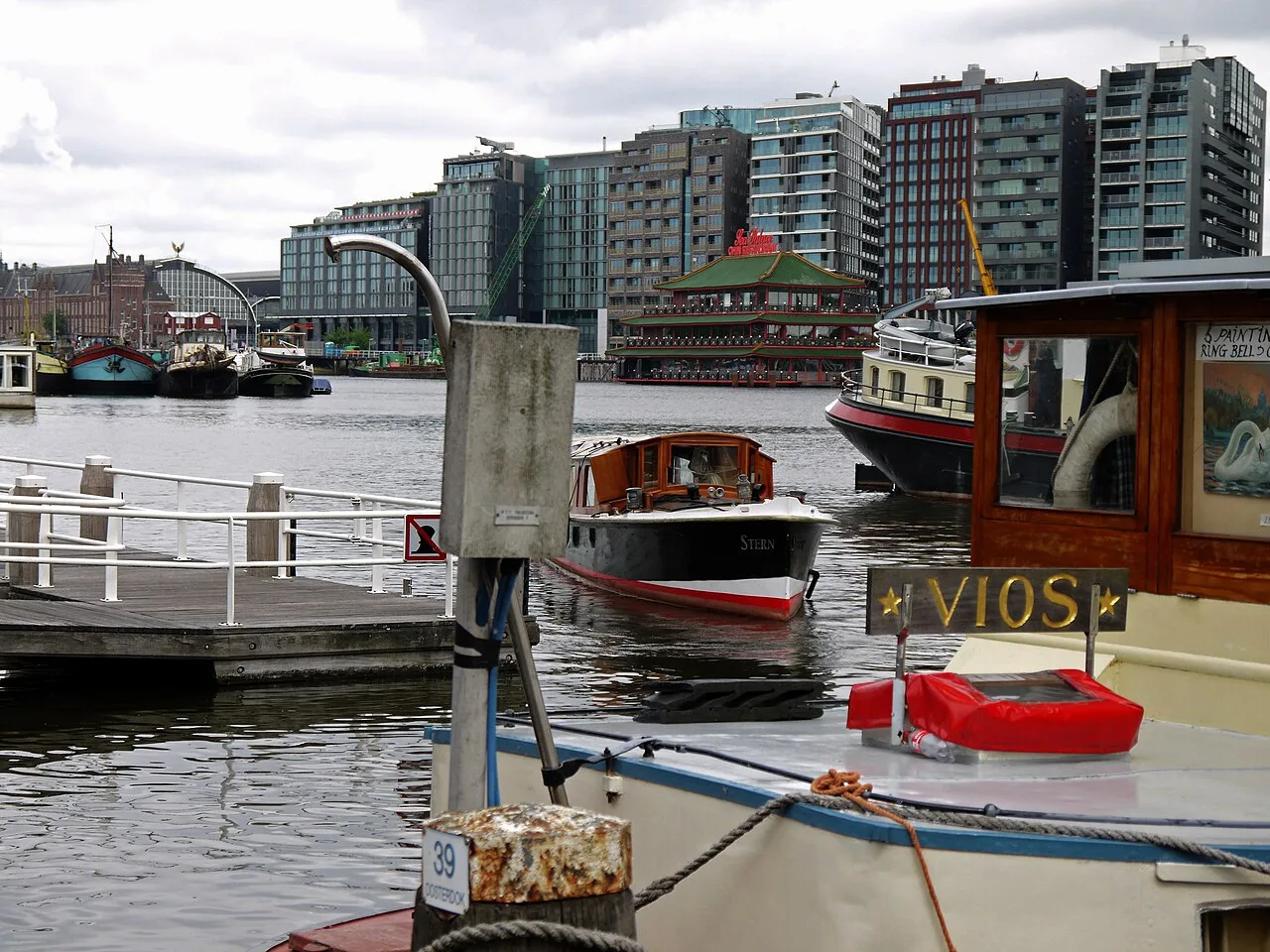
Housing
- One bedroom, city center
- 1400-2000 EUR
- One bedroom, suburbs
- 1000-1600 EUR
- Three bedrooms, city center
- 2500-4000 EUR
Retirement planning in Netherlands depends on its local cost levels, healthcare coverage, safety record, climate, and residence rules. This page combines comparable national indicators with city-level planning ranges.
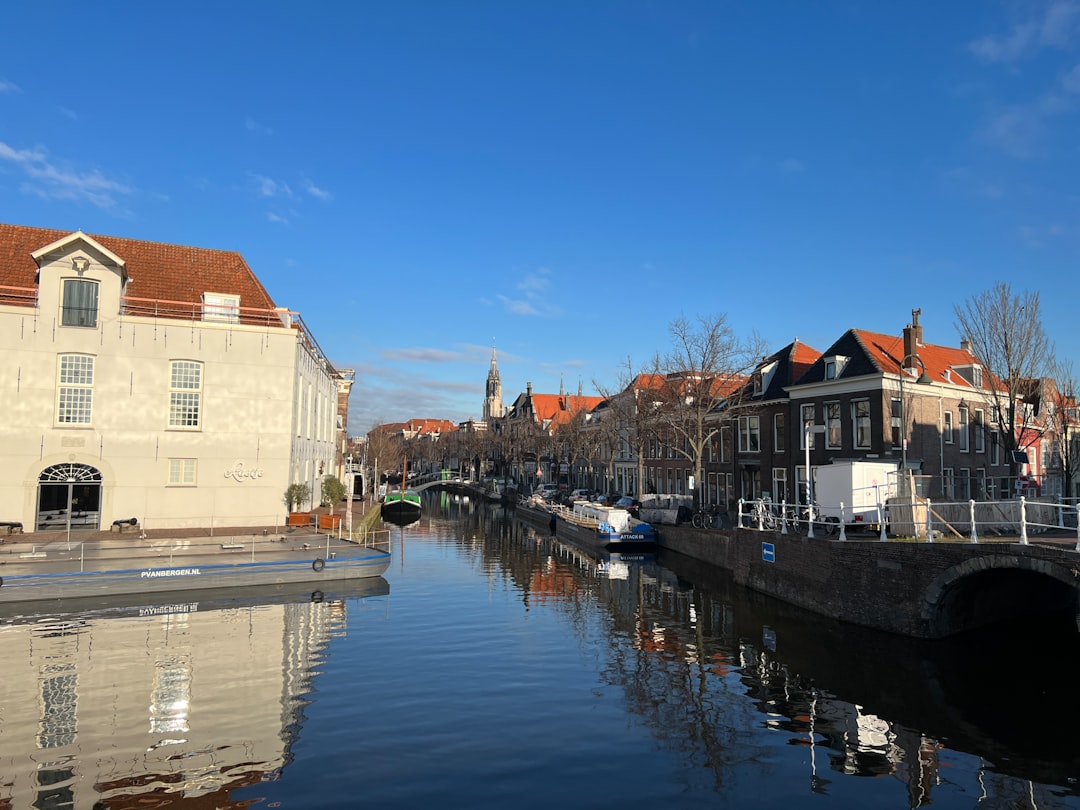
Whether Netherlands fits your retirement depends on budget, healthcare eligibility, climate preferences, and the residence route available to you. Compare the city ranges and verify current rules before moving.
The relative PPP price-level score for Netherlands is 64.8/100. Lower scores mean lower relative prices. One-bedroom rent in the city center: 1400-2000 EUR. Health insurance: Approx. 120-150 EUR/month.
Netherlands has a safety index of 98.6/100. The latest comparable national intentional-homicide rate is 0.007 per 1,000 people; city-level crime can differ substantially.
The healthcare system in Netherlands has a quality index of 85/100. Doctor visit: Covered by insurance. Health insurance: Approx. 120-150 EUR/month.
Netherlands lists the route “No dedicated retirement visa; residence depends on another eligible route”. The published minimum income is not a single fixed annual amount. Processing time: Varies by pathway. Requirements can change, so confirm them with the relevant government office.
Income tax for retirees in Netherlands: 49.5% Max. CGT: 33% (Deemed Income Tax). Inherit: Progressive 30−40%.. Property tax: Municipal taxes are linked to WOZ value and local rates. Inheritance tax: Progressive inheritance tax generally 10–40%; allowances vary. Where applicable, tax treaties can affect double-taxation treatment.
Netherlands has approximately 2,956,518 international migrants in the latest comparable estimate. A comparable national English-speaker percentage is not available. Major city profiles include Amsterdam.

France may suit retirees who value broad healthcare infrastructure, cultural amenities, and varied urban, rural, and coastal regions. A long-stay visitor route requires sufficient resources, accommodation, insurance, and no ordinary work.

Whether Austria fits your retirement depends on budget, healthcare eligibility, climate preferences, and the residence route available to you. Compare the city ranges and verify current rules before moving.

Whether Belgium fits your retirement depends on budget, healthcare eligibility, climate preferences, and the residence route available to you. Compare the city ranges and verify current rules before moving.

Canada may suit retirees who value established services and varied urban and regional lifestyles, subject to immigration eligibility, local costs, healthcare arrangements, and tax advice.
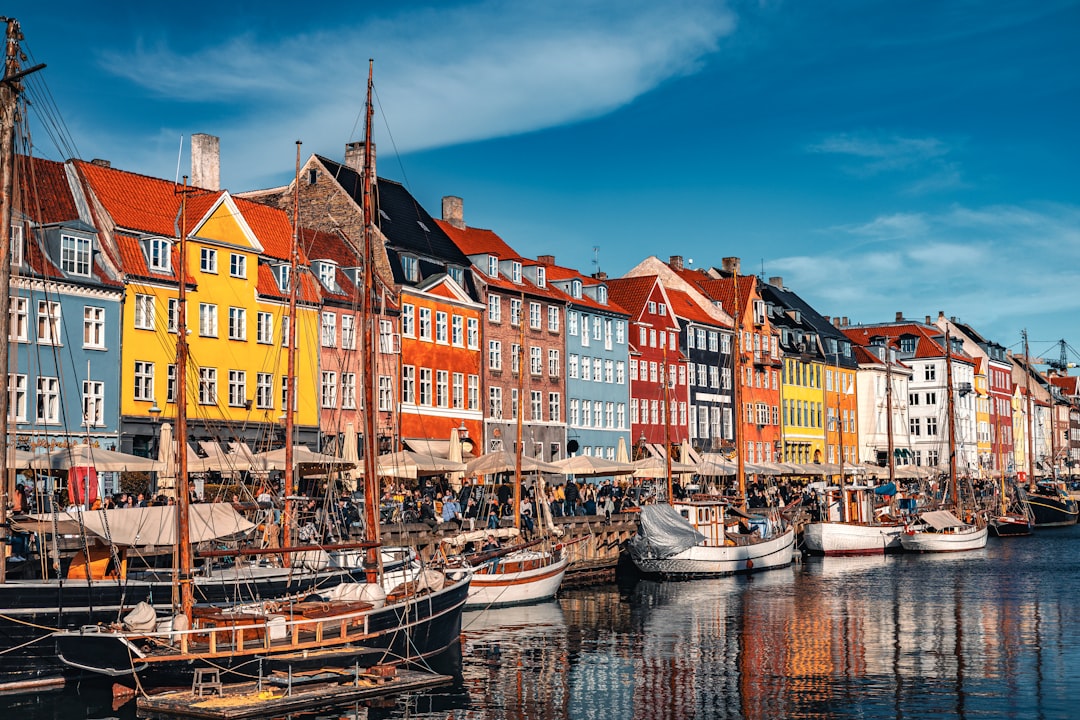
Whether Denmark fits your retirement depends on budget, healthcare eligibility, climate preferences, and the residence route available to you. Compare the city ranges and verify current rules before moving.
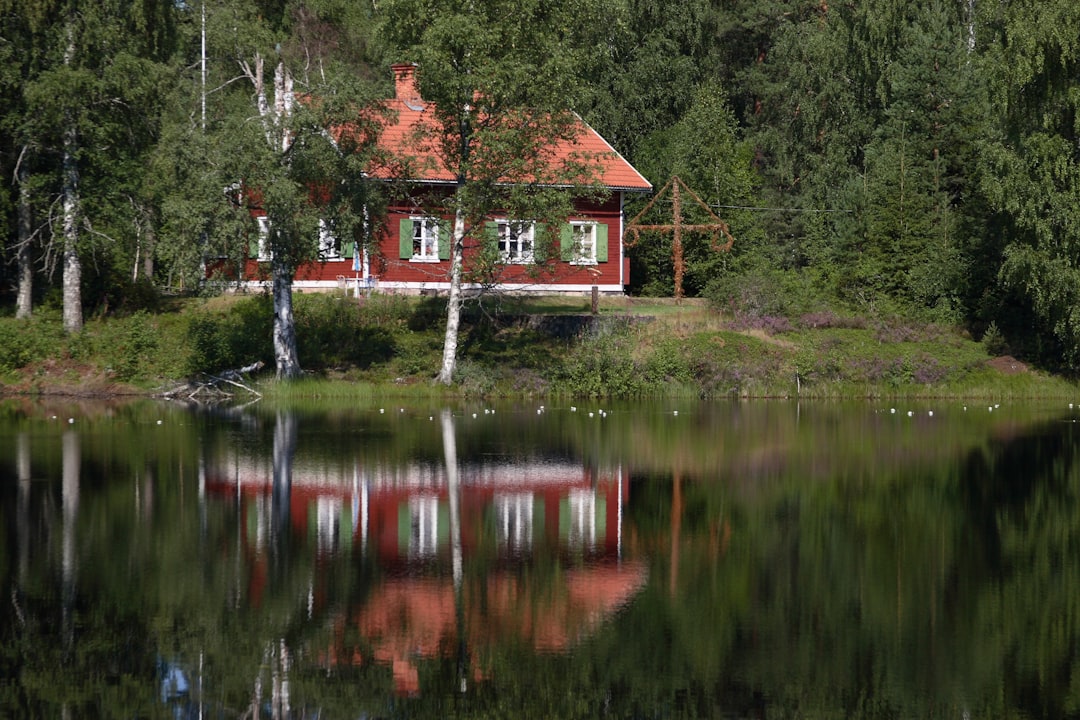
Whether Finland fits your retirement depends on budget, healthcare eligibility, climate preferences, and the residence route available to you. Compare the city ranges and verify current rules before moving.