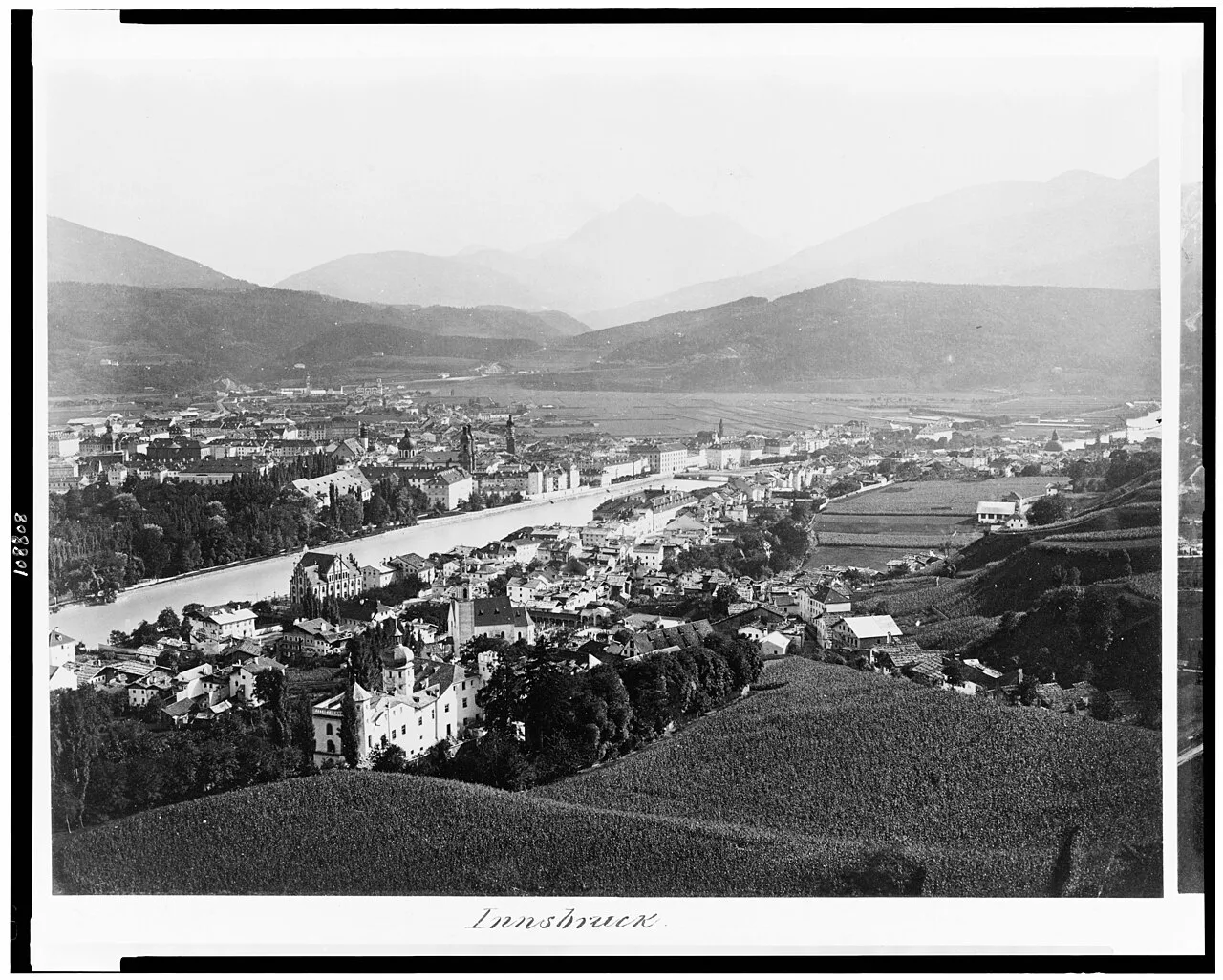
Housing
- One bedroom, city center
- 1000-1600 EUR
- One bedroom, suburbs
- 800-1300 EUR
- Three bedrooms, city center
- 1700-2800 EUR
Retirement planning in Austria depends on its local cost levels, healthcare coverage, safety record, climate, and residence rules. This page combines comparable national indicators with city-level planning ranges.

Whether Austria fits your retirement depends on budget, healthcare eligibility, climate preferences, and the residence route available to you. Compare the city ranges and verify current rules before moving.
The relative PPP price-level score for Austria is 62.3/100. Lower scores mean lower relative prices. One-bedroom rent in the city center: 1000-1600 EUR. Health insurance: Public healthcare coverage.
Austria has a safety index of 98.2/100. The latest comparable national intentional-homicide rate is 0.009 per 1,000 people; city-level crime can differ substantially.
The healthcare system in Austria has a quality index of 84/100. Doctor visit: Covered by public healthcare. Health insurance: Public healthcare coverage.
Austria lists the route “Settlement Permit – Except Gainful Employment (financially independent applicants)”. The published minimum income is not a single fixed annual amount. Processing time: Varies by authority and quota. Requirements can change, so confirm them with the relevant government office.
Income tax for retirees in Austria: 55% Max. CGT: 27.5%. Inherit: None (Abolished).. Property tax: Municipal property tax varies; transfer tax is separate. Inheritance tax: No inheritance tax; other transfer and real-estate taxes may apply. Where applicable, tax treaties can affect double-taxation treatment.
Austria has approximately 2,327,064 international migrants in the latest comparable estimate. A comparable national English-speaker percentage is not available. Major city profiles include Vienna, Salzburg, Innsbruck.

France may suit retirees who value broad healthcare infrastructure, cultural amenities, and varied urban, rural, and coastal regions. A long-stay visitor route requires sufficient resources, accommodation, insurance, and no ordinary work.

Whether Belgium fits your retirement depends on budget, healthcare eligibility, climate preferences, and the residence route available to you. Compare the city ranges and verify current rules before moving.

Canada may suit retirees who value established services and varied urban and regional lifestyles, subject to immigration eligibility, local costs, healthcare arrangements, and tax advice.
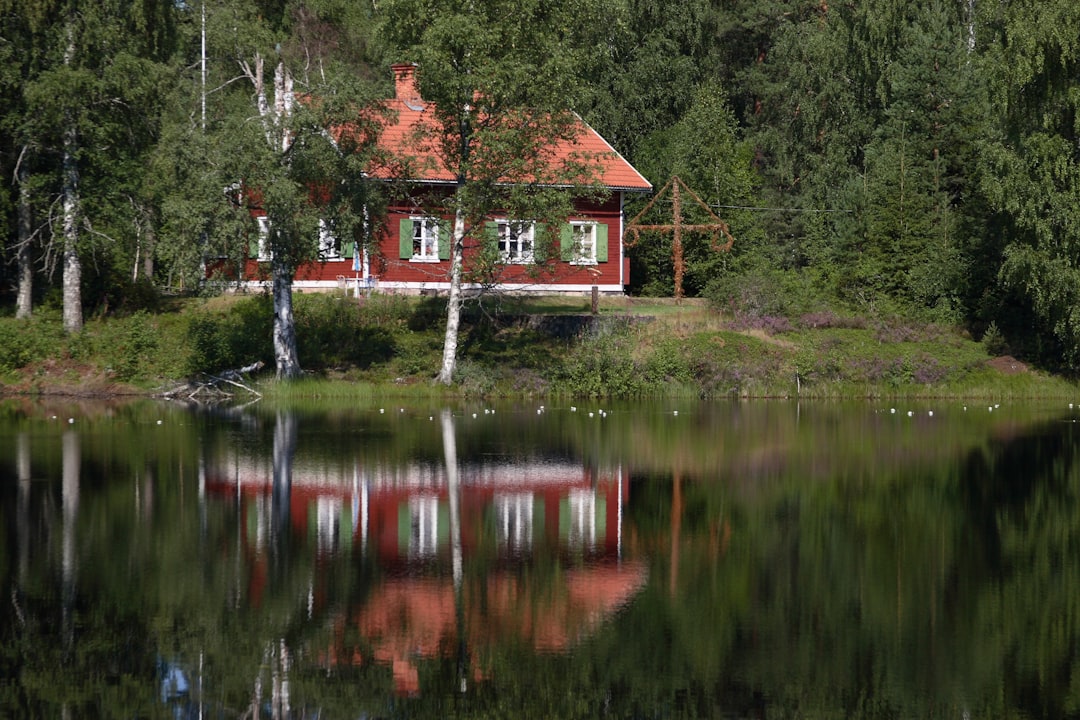
Whether Finland fits your retirement depends on budget, healthcare eligibility, climate preferences, and the residence route available to you. Compare the city ranges and verify current rules before moving.

Whether Germany fits your retirement depends on budget, healthcare eligibility, climate preferences, and the residence route available to you. Compare the city ranges and verify current rules before moving.
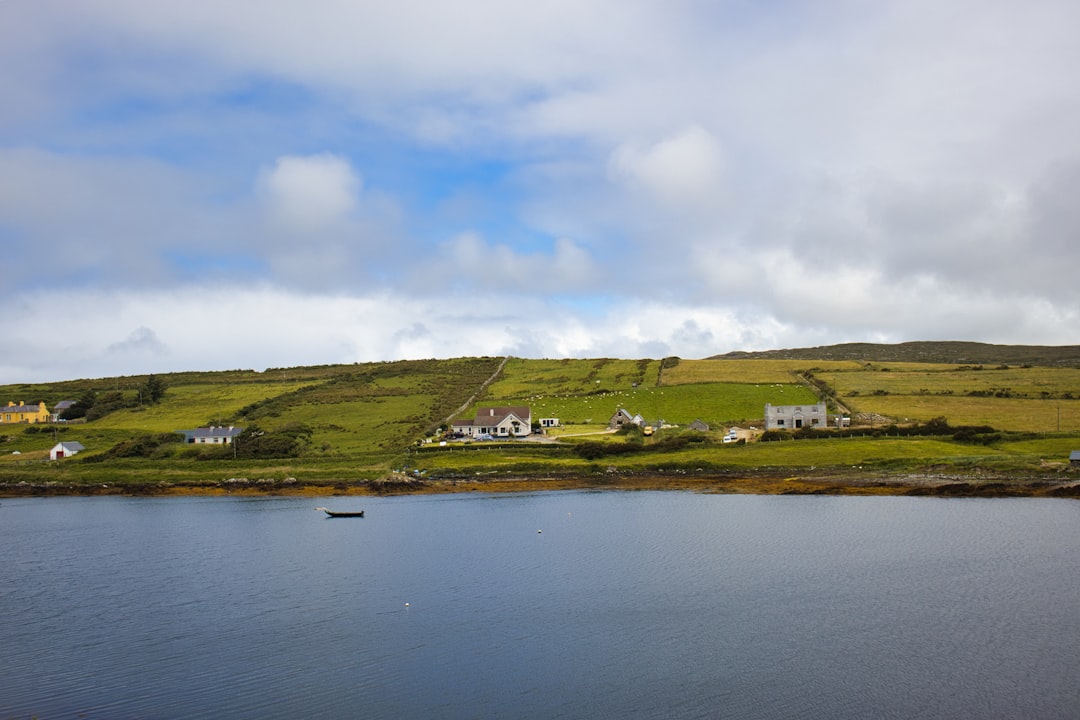
Whether Ireland fits your retirement depends on budget, healthcare eligibility, climate preferences, and the residence route available to you. Compare the city ranges and verify current rules before moving.